








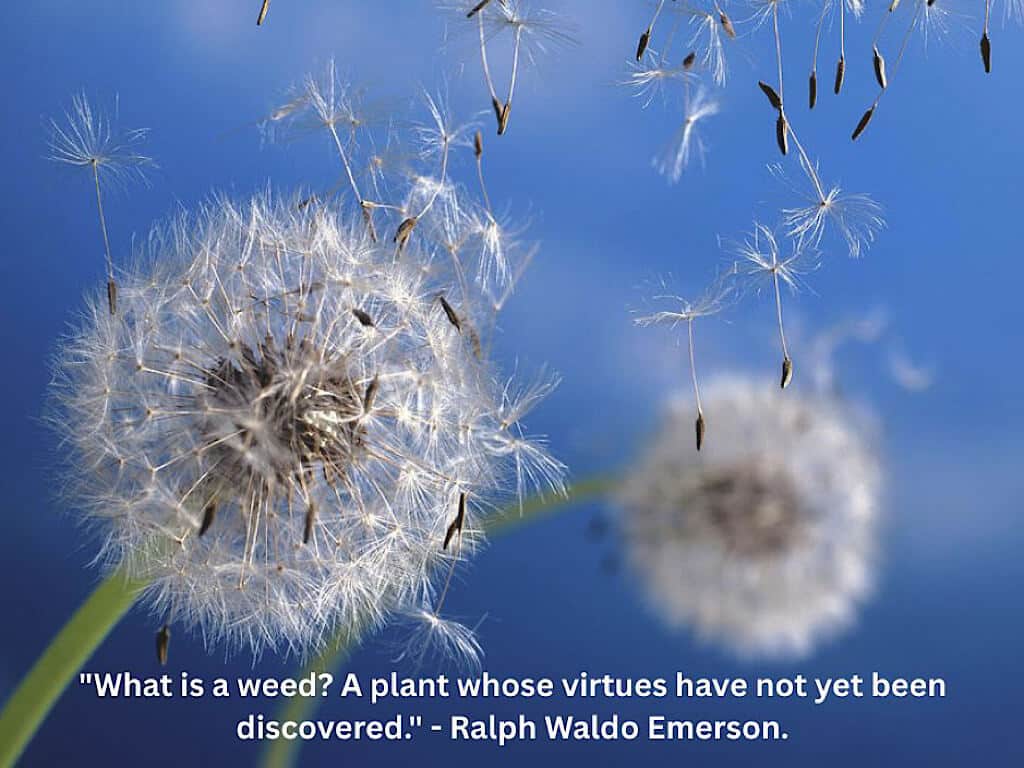
Dandelions may be one of the most overlooked plants in our lawns, but they are anything but ordinary. Known scientifically as Taraxacum officinale, dandelions have been cherished for centuries as food, medicine, beauty aid, and even household helper. From their golden blooms to their earthy roots, every part of the plant has a use. Let’s explore why dandelions deserve a place of honor in your life.
In the Yard and Garden
- Pollinator Food: Dandelions are often the first flowers to appear in spring, offering nectar and pollen when bees and butterflies are most in need.
- Soil Aeration: Their long taproots loosen compacted soil and bring nutrients like calcium, iron, and potassium closer to the surface, naturally improving soil fertility.
- Companion Planting: Dandelions attract pollinators and can help neighboring plants thrive. Gardeners sometimes leave them near fruit trees, berry patches, or vegetable beds.
- Homemade Fertilizer: Steep the leaves in water for several days to create a mineral-rich “dandelion tea” that nourishes other plants.
In the Kitchen
Dandelions are a forager’s dream—every part is edible and loaded with nutrients.
- Leaves: Best picked young, they add a peppery, slightly bitter taste to salads, pestos, sautés, or soups. Older leaves can be blanched to mellow the flavor.
- Flowers: Use them fresh in salads, infused into vinegars, or fried as fritters. They also make a delightful dandelion wine or syrup.
- Buds: Pick tightly closed buds and pickle them as a caper substitute.
- Roots: Roast, grind, and brew into a coffee alternative that’s caffeine-free but rich in minerals. Roots can also be simmered into tea to aid digestion.
- Stems: Though bitter, the latex sap inside stems has been used traditionally for minor wart and callus treatments.
For Health & Wellness
Dandelions are more than just food—they’re medicine in disguise.
- Liver and Kidney Support: Long used as a detoxifying herb, dandelion root stimulates bile production and helps flush toxins.
- Digestive Health: Rich in inulin, a prebiotic fiber, dandelion supports a healthy gut microbiome.
- Anti-Inflammatory: Antioxidants like polyphenols help reduce inflammation in the body.
- Immune Support: Vitamins A, C, and K plus minerals like iron, magnesium, and calcium boost overall health.
- Blood Sugar Balance: Early studies suggest dandelion compounds may support balanced blood sugar levels.
- Urinary Health: A natural diuretic, dandelion leaf tea has traditionally been used for reducing water retention and supporting bladder health.
For Beauty and Self-Care
- Skin Healing: Infuse dandelion flowers in oil to make soothing balms for dry or irritated skin.
- Anti-Aging: The antioxidants help protect against free radical damage, keeping skin radiant.
- Acne Relief: Dandelion sap has been used as a folk remedy for blemishes.
- Hair Care: Rinsing hair with dandelion tea can condition, add shine, and relieve itchy scalp.
- Bath Soak: Add dried petals to bathwater for a calming, skin-softening experience.
Around the Home
- Natural Dye: Yellow flowers yield a gentle golden dye, while roots can produce a more earthy brown.
- Eco-Friendly Cleaner: Infuse flowers in vinegar for a natural all-purpose cleaner.
- Pest Repellent: Dandelion sprays (made from steeped leaves) are said to deter aphids and some garden pests.
- Crafts: Pressed dandelion flowers or seed heads can be used in handmade paper, candles, or resin art.
Folklore and Symbolism
Dandelions have long been a symbol of resilience and hope. Folklore tells us that blowing on a dandelion puffball carries wishes to the wind. In many cultures, dandelions represent perseverance—the ability to thrive even in tough conditions. They remind us to look for beauty in unexpected places.
Final Thoughts
From garden helper to gourmet ingredient, from natural remedy to beauty booster, the dandelion is truly one of nature’s multi-taskers. Instead of waging war on this sunny little flower, consider welcoming it into your home, your kitchen, and your wellness routine.
While these herbs, mushrooms, adaptogens or supplements are generally considered safe, it’s always a good idea to consult with a healthcare professional before starting any new supplement, especially if you are pregnant, breastfeeding, or taking other medications.
Bonus Recipe

RELATED POSTS

Top 5 Herbs for Better Sleep
If tossing and turning has become your nightly routine, nature might have the answer. For centuries, people have turned to…


5 Herbs That Attract Butterflies to Your Garden
If you’ve ever dreamed of a garden alive with fluttering wings, herbs are a wonderful way to invite butterflies in.…

10 Ways To Use Basil Around The House
Basil isn’t just for pasta sauce! This fragrant herb can brighten your home, keep pests away, and even lift your…