








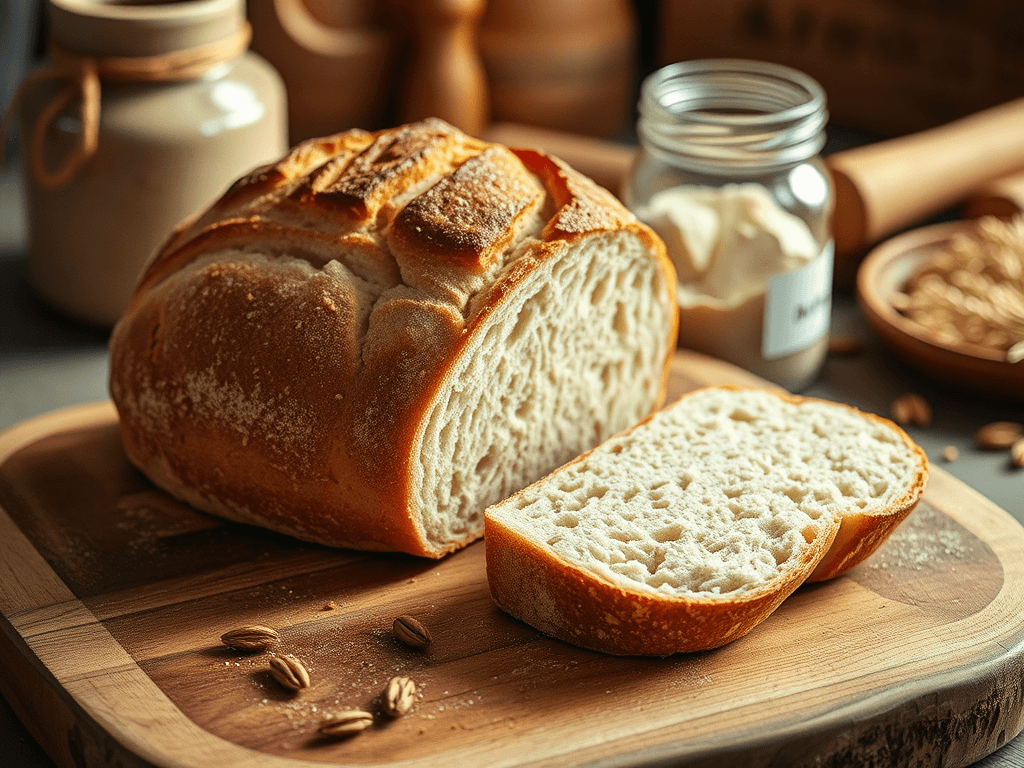
What Makes Sourdough Better For Blood Sugar?
Bread doesn’t have to be a blood sugar villain. Unlike commercial loaves that can cause rapid spikes and energy crashes, sourdough stands apart. Thanks to its centuries-old process of long fermentation and a living starter, it’s a completely different kind of bread—one that’s much gentler on your metabolism and a powerful ally for your gut.
A Slice of History
Sourdough is one of the oldest forms of leavened bread, dating back more than 5,000 years to ancient Egypt. Bakers likely discovered it by accident—a simple mix of flour and water left out long enough for wild yeast and friendly bacteria from the air to settle in.
When that first fermented dough was baked, it rose beautifully and had a flavor unlike any flatbread before it. From Egypt, sourdough spread through ancient Greece and Rome, eventually becoming the foundation for breadmaking across Europe. It remained the only way to make risen bread until the 1800s, when commercial yeast was developed.
The Magic Begins with the Starter
A sourdough starter is a living culture of wild yeast and beneficial bacteria (mainly Lactobacillus). These microorganisms feed on the natural sugars in flour and create lactic and acetic acids—giving sourdough its signature tang and slow rise.
This essential fermentation process breaks down gluten and starches, making the bread easier to digest and significantly slower to raise blood sugar.
A Gentler Impact on Blood Sugar
Unlike conventional breads made with quick-rise yeast, sourdough has a naturally lower glycemic index. The natural acids formed during fermentation slow down how fast glucose is released into the bloodstream.
Specifically, the organic acids, particularly lactic acid and acetic acid, actually slow the breakdown of starch into glucose in the small intestine. That means steadier energy, fewer crashes, and better insulin response—especially helpful for anyone mindful of blood sugar levels.
For the absolute best results for your metabolism, choose sourdough made with whole grain or whole wheat flour—this adds the benefit of high fiber to the fermentation advantages.
How is Sourdough Better for the Gut?
Those same lactic acid bacteria that make sourdough rise also support your microbiome. Fermentation boosts the presence of prebiotics—the fibers that feed good gut bacteria—while reducing anti-nutrients like phytic acid that can block mineral absorption.
The result? Better digestion, improved nutrient uptake, and a happier gut environment overall.
Ancient Wisdom Meets Modern Science
For centuries, bread was always fermented—it was only in the last century that fast-rising commercial yeast replaced the old ways. Now, as we rediscover the connection between gut health and blood sugar balance, sourdough is reclaiming its rightful place at the table.

How to Start Your Own Starter
Ingredients
- Day 1: The First Mix
- In a glass jar mix ½ cup flour (whole grain or rye works best) with ¼ cup water until smooth. Cover loosely with a cloth or lid and let sit at room temperature.
Instructions
- Days 2-7: The Daily Feed
- Each day, discard half of the mixture and feed it again with the same ratio of flour and water. Within 5–7 days, it should bubble and smell pleasantly tangy—your natural yeast is alive!
- Maturity Check: Ready to Bake
- Keep it fed regularly and it can last for years—a living, breathing companion for your kitchen.
Notes
Caring for Your Starter Long-Term
After your starter is mature (around two weeks), you can slow the feeding cycle depending on how often you bake.- If you bake daily: Keep it at room temperature and feed every 24 hours.
- If you bake weekly: Store it in the refrigerator and feed it once a week. When ready to bake, remove from the fridge, let it warm up, and give it one or two room-temperature feedings before using.
- You’ll still discard half before feeding—not to waste, but to keep the microbial balance healthy and prevent overgrowth. (The discard can be used in pancakes, muffins, or crackers!)

A Simple Sourdough Bread Recipe
Ingredients
- 1 cup 240g active sourdough starter
- 1 ½ cups 350ml warm water
- 4 cups 480g flour (For max health benefits, use at least 50% whole wheat or a high-protein bread flour for structure.)
- 2 tsp salt
Instructions
- In a large bowl, mix starter and water until cloudy. Add flour and salt, and stir until a rough dough forms.
- Cover and let rest for 30–45 minutes.
- Stretch and fold the dough every 30 minutes for 2 hours (this builds gluten strength).
- Let rise 4–6 hours at room temperature until puffy and doubled.
- Shape into a round, place in a floured bowl or banneton, cover, and refrigerate overnight (this slow, cold rise enhances flavor).
- The next day, bake at 450°F (230°C) in a covered Dutch oven for 20 minutes, then uncovered for another 20–25 minutes until golden.
Notes
Sourdough is bread that works with your body—not against it.
RELATED POSTS

Superfoods Everyone Should Add to Their Weekly Meal Plan
What Are Superfoods And Why Should I Eat Them? Tired of diet trends that promise the moon but deliver burnout? The…

Cottage Cheese: The Secret Ingredient for Protein-Packed Meals
Cottage cheese is a high-protein, low-carb ingredient that enhances meal satisfaction and nutrition. It can be used in various recipes,…

The Health Benefits of Pure Cacao: Your Chocolate Superfood
When you think of chocolate, you probably picture a sweet treat. But at its heart, chocolate comes from cacao—a nutrient-rich superfood…