








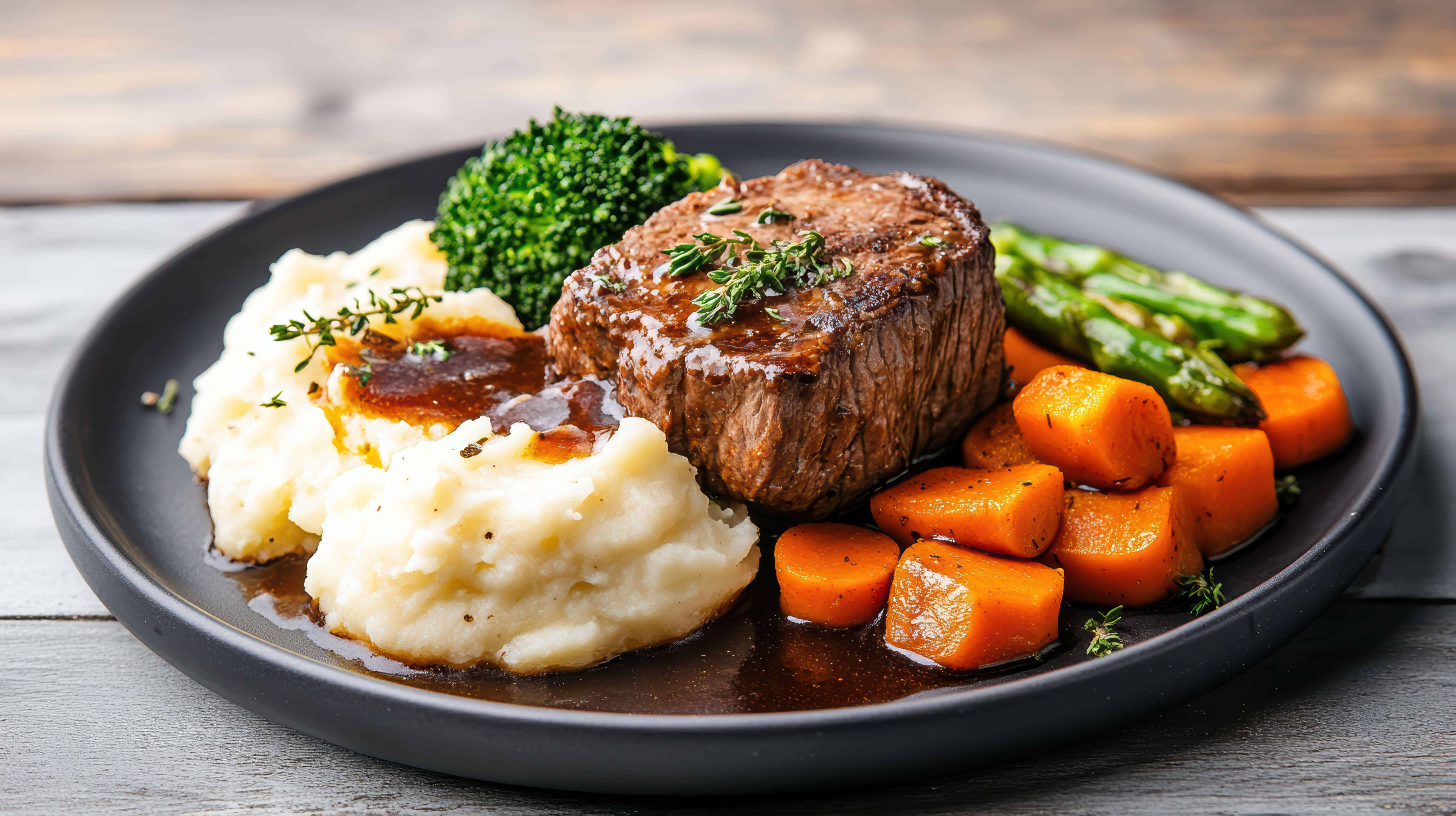
A simple guide to balancing your plate for steady energy and metabolic health.
The “Fist” Rule
You don’t need a kitchen scale to ensure you’re getting enough protein. Use these everyday visual cues to estimate your portions:
| Food Category | Visual Guide | Estimated Protein |
| Meat, Poultry & Fish | Size of your Fist | ~25–30g |
| Greek Yogurt / Cottage Cheese | Size of a Baseball | ~20–25g |
| Hard Cheese | Size of Two Dice | ~7–9g |
| Nuts & Seeds | A Small Handful | ~6g |
The Target: Aim for 25–35 grams of protein per meal to support muscle maintenance, blood sugar stability, and satiety.
Quick Protein Boosters
If your meal feels a little light, these pantry staples are the easiest way to “top off” your protein:
- +6g: 1 Hard-boiled egg
- +7g: ½ cup Black beans (rinsed)
- +4g: ½ cup cooked Quinoa
- +3g: 2 tbsp Sliced almonds
- +12g: ½ cup Cottage cheese
What 30 Grams of Protein Looks Like
- Breakfast: 2 eggs + cheddar cheese + Greek yogurt with fruit≈ ~30 g
- Lunch: Chicken chef salad + cheddar cheese + hard-boiled egg ≈ ~30–40 g
- Dinner: Salmon (fist-size portion) + vegetables + 1 cup cooked quinoa ≈ ~33–38 g
Pair Carbohydrates with Protein
A helpful habit is to pair carbohydrates with a source of protein. This can help slow digestion and support more stable energy levels.
- Apple + almonds or pistachios
- Fruit + Greek yogurt
- Crackers + cheese
- Sourdough toast + eggs or nut butter
- Vegetables + hummus


RELATED POSTS

Cottage Cheese: The Secret Ingredient for Protein-Packed Meals
Cottage cheese is a high-protein, low-carb ingredient that enhances meal satisfaction and nutrition. It can be used in various recipes,…


Smart Snacks for Energy: Real-Food Combos
We’ve all been there — hungry between meals, reaching for a bar that promises “energy” but leaves you tired and…