








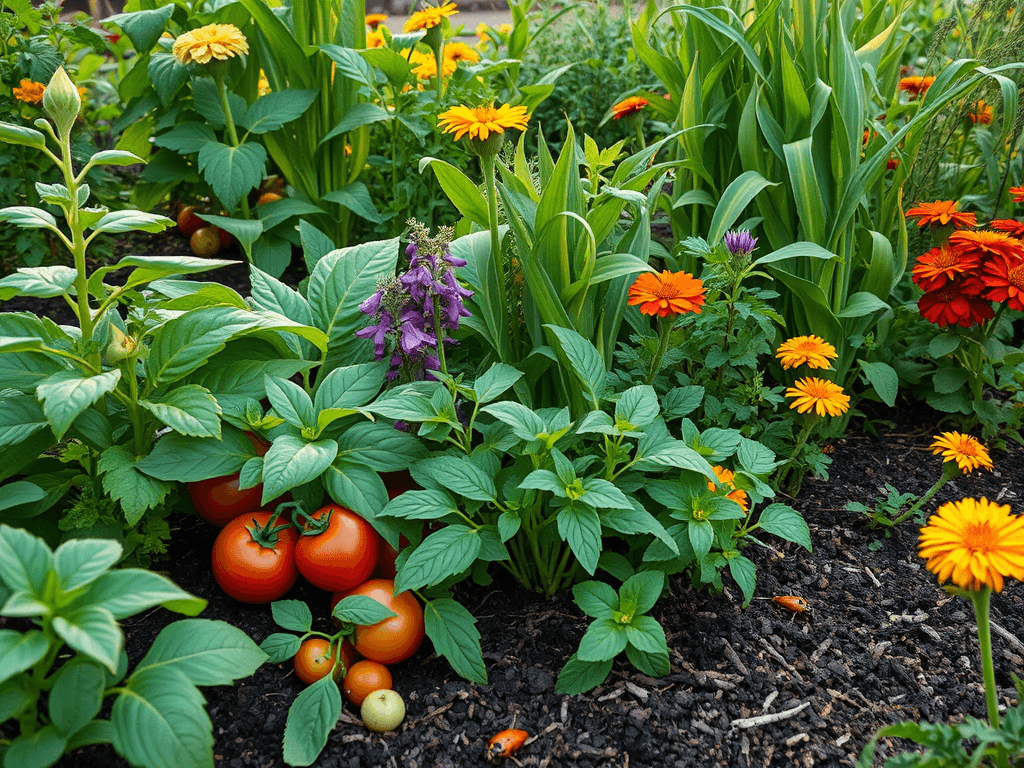
There’s something deeply satisfying about tending a garden where vegetables, herbs, and flowers thrive in harmony—without harsh chemicals. A chemical-free garden not only produces healthier food but also supports pollinators and builds a thriving backyard ecosystem, making your space naturally strong and sustainable. With a few simple habits, you can create a garden that’s full of life.
1. What’s the Secret to a Healthy Organic Garden? Start with the Soil
Healthy soil is the foundation of a flourishing garden. Skip synthetic fertilizers and feed your soil instead with:
- Compost or aged manure – Adds nutrients, improves soil structure, and introduces beneficial microorganisms. Bonus Tip: Consider sheet mulching (layering cardboard, compost, and mulch) to build soil from the ground up in new areas.
- Leaf mulch or worm castings – Boosts beneficial microbes and slowly releases nutrients. Additional Suggestion: Apply a thin layer of finely ground rock phosphate or green sand for trace minerals your plants need.
- Mulch – Straw, shredded leaves, or wood chips help retain moisture, regulate soil temperature, and suppress weeds. Remember: Keep mulch a few inches away from the stems of your plants to prevent rot.
Healthy soil = fewer pests, better yields, and long-term garden health.
Planning and Preparation: To ensure success, identify your growing zone and ecoregion. This helps you choose the right plant varieties that are naturally adapted to your local climate and soil, making them more resilient.
2. Which Insects Help Protect Your Garden Naturally?
Not all bugs are bad! Beneficial insects act as nature’s pest control:
- Ladybugs, lacewings, and parasitic wasps prey on aphids, mealybugs, and caterpillars.
- Attract these beneficial insects by planting dill, fennel, cosmos, and marigolds. Additional Suggestion: Let some cilantro, carrots, and parsley bolt (go to seed) as their flower heads are irresistible to tiny, beneficial wasps.
2b. How to Attract and Host Butterflies
A truly healthy garden supports the entire life cycle of insects, including butterflies. Include host plants for caterpillars and nectar plants for adult butterflies:
| Host Plant (Caterpillar Food) | Primary Butterfly Attracted |
| Milkweed (Native varieties) | Monarch Butterfly |
| Dill, Fennel, Parsley, Queen Anne’s Lace | Black Swallowtail |
| Pussy Willow, Poplar | Mourning Cloak, Viceroy |
| Hollyhock, Mallow | Painted Lady, Common Checkered-Skipper |
| Borage | Painted Lady |
Nectar Plants: Adult butterflies feed on Zinnia, Coneflower, Bee Balm, and Lavender. Provide a shallow dish of water and a few flat stones for a sunny basking spot!
3. How Does Companion Planting and Intercropping Work?
Companion planting means growing plants that support each other to improve flavor, yield, and pest control. Intercropping takes this a step further by mixing plants that use resources (light, nutrients, or water) at different times or levels, maximizing the garden space and extending the growing season.
By pairing plants wisely, you can reduce pests, improve yield, and use your garden space naturally and efficiently.
Types of Plant Support:
- Pest Management: Some companions emit scents that confuse or deter pests (like onions deterring carrot flies), while others attract beneficial insects (like dill attracting ladybugs).
- Physical Support/Shade: Tall plants can provide necessary shade for delicate, low-growing crops, allowing them to thrive deeper into the summer heat. For instance, tomatoes planted with lettuce can extend the lettuce harvest season.
- Nutrient and Space Optimization: Plants with shallow roots (like radishes) and deep roots (like carrots) can be grown together because they feed from different soil levels, making the most of available nutrients.
Companion Planting and Intercropping Chart
| Pair | Benefit | Type of Support |
| Tomatoes + Basil | Basil repels hornworms and improves tomato flavor. | Pest Management/Flavor |
| Peppers + Basil | Basil is believed to improve pepper flavor and general health. | Flavor/Health |
| Marigolds + Most Vegetables | Repel nematodes (microscopic worms) and deter aphids. | Pest Management |
| Corn + Beans + Squash | “Three Sisters” classic: Support, Nitrogen-fixing, and Weed Control. | Physical/Nutrient/Weed Control |
| Carrots + Onions/Leeks | Onions deter the carrot rust fly; plants utilize different soil depths. | Pest/Space Optimization |
| Bush Beans + Savory (Summer) | Savory deters bean beetles and improves the flavor of the beans. | Pest Management/Flavor |
| Strawberries + Borage | Borage attracts pollinators and is believed to improve the flavor and harvest size. | Pollination/Flavor |
There are many many companion choices. Determine your crops needs and choose a perfect “buddy”. We have linked to the guide provided by the Farmers Almanac.
4. What Are Safe, Natural Pesticides That Work?
When pests get out of hand, try these eco-friendly, targeted solutions that won’t harm pollinators or the environment:
- Neem Oil Spray: A natural oil that disrupts pest life cycles. Application Detail: Mix with a bit of castile soap and water. Target the undersides of leaves where pests hide.
- Diatomaceous Earth: Fine powder made from fossilized algae—use only food-grade DE. It’s harmless to humans and pets but deadly to soft-bodied insects like slugs and aphids. Note: Reapply after rain.
- Garlic or Chili Spray: Blend garlic or hot peppers with water and a little biodegradable soap for a natural deterrent against chewing insects. Suggestion: Strain the mixture well before putting it into a sprayer to avoid clogging.
- Soap and Water Spray: A few drops of mild castile soap in water help remove aphids and mites from leaves. Tip: Test a small area first to ensure your specific plant variety isn’t sensitive to the soap concentration.
Pro Tip: Always spray early or late in the day to protect beneficial insects and avoid leaf burn, and only spot-treat the affected plants.
5. How to Fertilize Naturally (Using Kitchen Scraps!)
Your kitchen holds some of the best natural fertilizers available—zero chemicals, zero waste:
- Used Coffee Grounds: Rich in nitrogen. Use Cases: Great for roses, hydrangeas, and acidic-soil plants like blueberries. Work lightly into the top few inches of soil.
- Used Tea Bags or Loose Leaves: Adds organic matter and trace nutrients while improving soil structure. Method: You can brew a “tea” to water your plants or simply bury the damp leaves.
- Crushed Eggshells: Supply calcium (prevents blossom-end rot in tomatoes and squash) and deter slugs. Preparation: Rinse, dry, and grind or crush into a fine powder for the best soil incorporation.
- Banana Peels: Full of potassium and phosphorus. Application: Bury chopped peels near the roots of flowering plants for a natural boost, or steep them in water to create a liquid fertilizer.
- Vegetable Cooking Water: Once cooled, pour onto garden soil for a gentle nutrient infusion. Avoid: Water containing high levels of salt.
Start Composting: Start a compost bucket for kitchen scraps. Blend these with yard waste (like dried leaves) or shredded paper to make rich, free soil amendments that cut down on household waste.
6. Why Rotate Crops Each Year?
Growing the same plants in one spot depletes nutrients and encourages disease. Rotate plant families (like tomatoes, peppers, and eggplants) to new areas each season.
- Prevent soil-borne diseases: By moving susceptible plants, you break the life cycle of pathogens.
- Rebalance nutrients: Follow heavy feeders (tomatoes) with lighter feeders (carrots) or nitrogen fixers (beans) to naturally rebuild soil health.
- Boost soil health naturally: Different root systems penetrate the soil in different ways, improving aeration and structure.
7. How to Water a Chemical-Free Garden
Watering wisely supports strong plants that resist pests and disease.
- Water deeply, less often to encourage deep, robust roots that can handle drought and heat. Test: Stick your finger two inches into the soil; if it’s dry, it’s time to water.
- Use soaker hoses or drip irrigation to deliver water right to the roots, minimizing waste.
- Avoid overhead watering to keep foliage dry, which drastically reduces the spread of common leaf diseases (like powdery mildew and blight).
Water Conservation: Using rainwater is beneficial and economical. Set up rain barrels to capture runoff from your roof, providing chlorine-free water for your garden and reducing your water bill.
8. What’s the Best Natural Way to Control Weeds?
Go chemical-free by pairing manual weeding, mulch, and a few targeted natural weed killers:
- Hand-Weeding: Pull weeds while small (especially after rain) so roots come up easily. Tool Suggestion: Use a sharp hoe or weeding tool to scrape the top layer of soil on sunny days—the exposed roots will quickly dry out and die.
- Mulch: Apply a 2–3” layer of straw, shredded leaves, or wood chips to block sunlight from weed seeds and keep soil moist. Tip: In pathways, use layers of cardboard before applying mulch for an extra-thick barrier.
- Vinegar Spray: Household white vinegar (5%) or horticultural vinegar (20%) can kill young weeds by drying out their leaves. Spray directly on unwanted plants, avoiding your vegetables and flowers. Add a few drops of dish soap to help the vinegar stick to leaves. Best applied on sunny, dry days for maximum effect.
Grow Smarter: Consider using raised garden beds. They allow you to easily blend ideal soil, make weeding much simpler, and are easier on your body by reducing the need to bend over.
9. Why Diversity Is Nature’s Best Defense (and How to Live with Wildlife)
A diverse garden mimics nature. Mix vegetables, herbs, and flowers to:
- Reduce pest outbreaks by confusing pests and providing natural predators with shelter.
- Attract a wider array of pollinators (including bees and butterflies) for better yields.
- Create a more resilient ecosystem that can withstand weather and disease pressure.
Managing Wildlife: To keep deer, rabbits, and birds from your main crops, plant a few extra “sacrificial” treats like sunflowers or other favorites in a separate area of your yard. Also, let birds help control insects until your plants are close to producing fruit; then, cover them with netting to protect your final harvest.
The Ultimate Bonus: Microbe Boost Tea Recipe (Your Natural “Miracle-Gro” Rival)
This all-natural liquid plant food delivers readily available nutrients and, more importantly, feeds the vital microbes in your soil, giving your plants a rapid, chemical-free boost.
The Recipe (Makes ~1 Gallon Concentrate)
| Ingredient | Purpose | Amount |
| Compost or Worm Castings | Nitrogen, Microbes, Humic Acid | 2 cups |
| Banana Peels (dried or chopped) | Potassium (K) for flowering/fruiting | 1 cup |
| Used Coffee Grounds | Nitrogen (N) boost, Magnesium | 1/2 cup |
| Water (Rainwater preferred) | Solvent | 1 gallon |
Instructions
- Steep: Place all solid ingredients into a mesh bag or old pillowcase, tie it shut, and soak it in the water. Rainwater is ideal as it won’t harm the beneficial microbes.
- Brew: Cover loosely and let it steep for 3 to 7 days in a warm, shaded spot, stirring once daily. (A slight earthy smell means it’s working!)
- Dilute (Crucial): Strain out the solids (add them to your compost!). Always dilute the finished tea: Mix 1 part Tea Concentrate with 5 parts clean water.
When to Use It
While difficult to over-fertilize with organic tea, it’s best used strategically as a supplement, not a daily feed:
- Peak Growth: Apply every 2 to 4 weeks during the mid-season when plants are actively growing foliage.
- Fruiting/Flowering: Increase use to every 2 weeks once plants start setting flowers or fruit, as the banana peel potassium is highly beneficial for the harvest.
- Early/Late Season: Use monthly at the start of the season to help with transplant shock, and stop entirely about a month before the first expected frost.
Quick Takeaway
A chemical-free garden works with nature, not against it. By focusing on soil health, beneficial insects, water conservation, and natural alternatives for pest control, fertilizing, and weed management, you’ll enjoy a more abundant, resilient, and eco-friendly garden. Every tomato, bouquet, and basket of greens you harvest will be fresh, safe, and in harmony with the earth.fresh, safe, and in harmony with the earth.
RELATED POST

A Year in the Garden: Planting a Four-Season Garden by Zone
A four-season garden is like a living calendar, changing with each chapter of the year. With thoughtful planning and an…

5 Herbs That Attract Butterflies to Your Garden
If you’ve ever dreamed of a garden alive with fluttering wings, herbs are a wonderful way to invite butterflies in.…

The Many Virtues of Dandelions – A Gift for Home, Health, and Garden
Dandelions may be one of the most overlooked plants in our lawns, but they are anything but ordinary. Known scientifically…